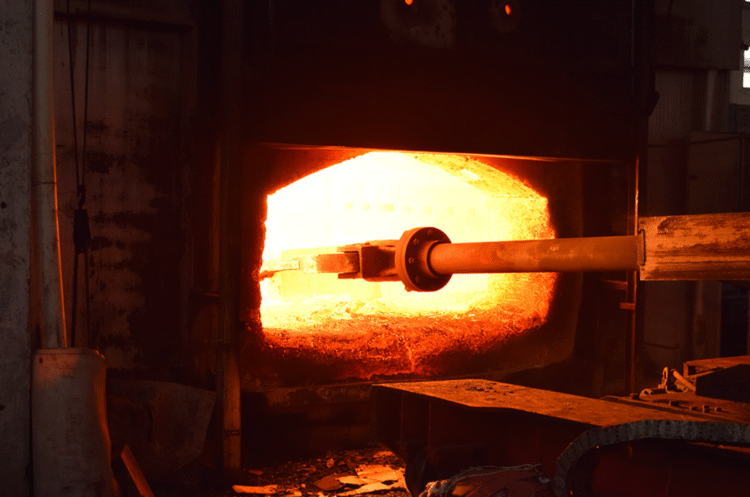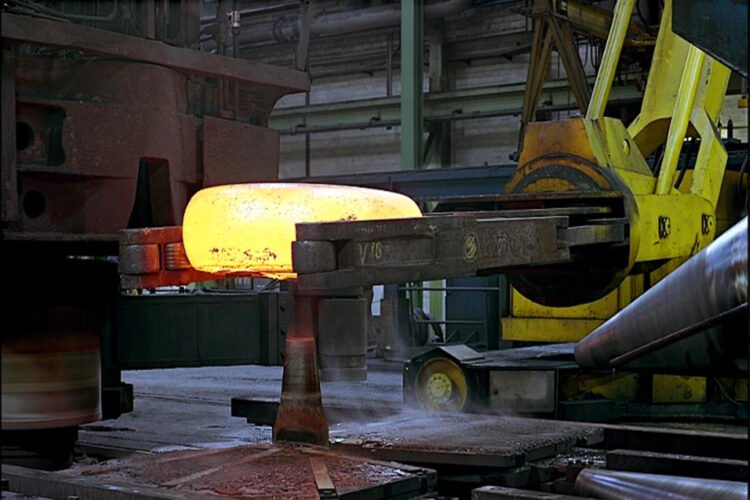
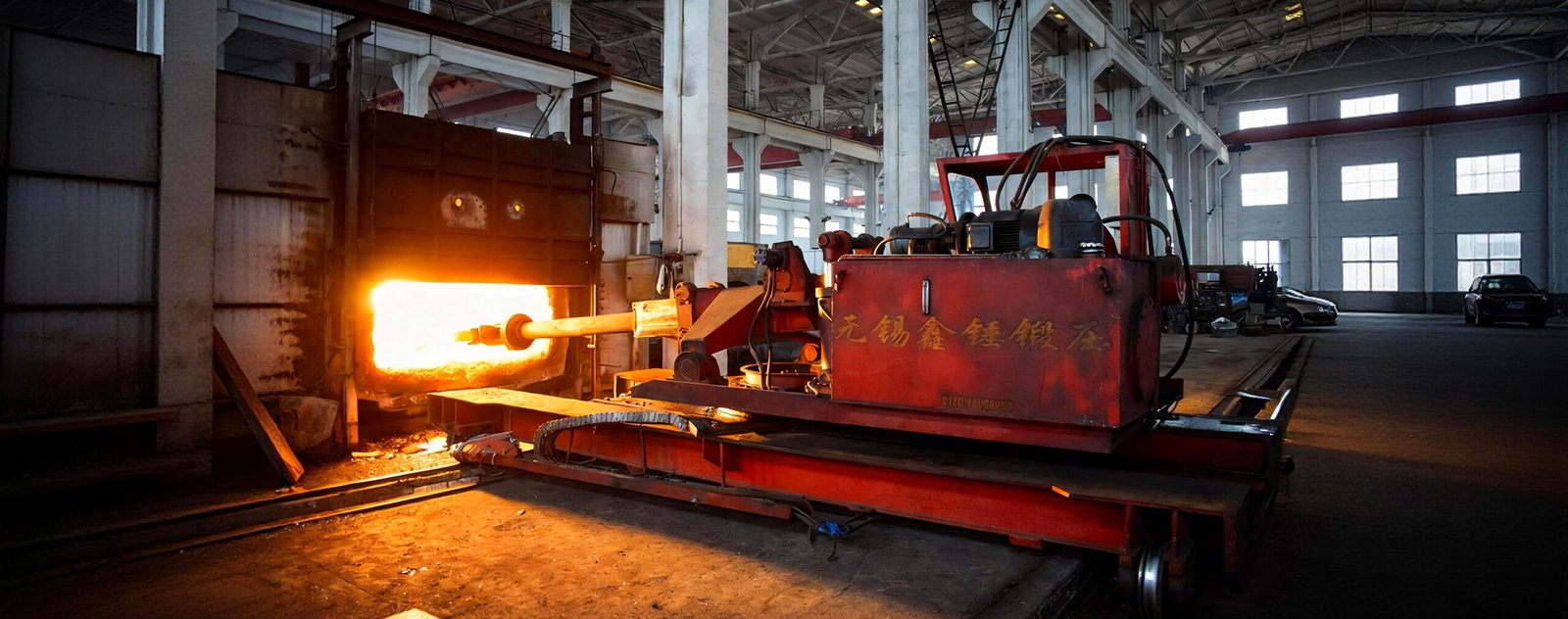
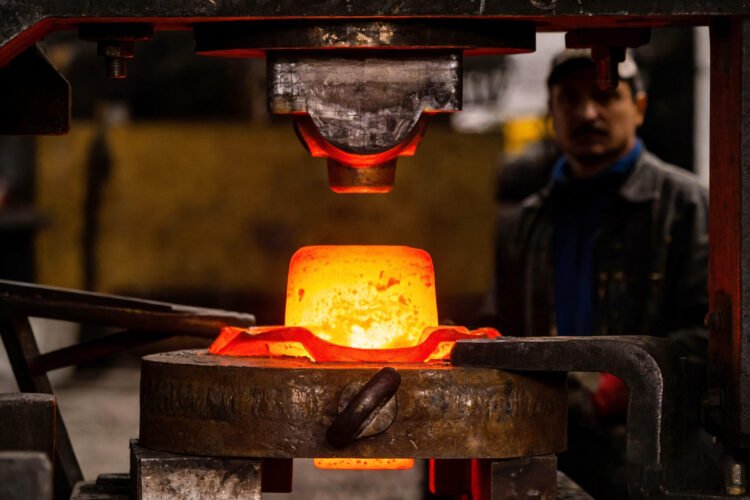
On the steel-hard frontlines of mining operations, full-hydraulic electro-hydraulic hammers are triggering a technological revolution with precise striking performance and outstanding energy efficiency. Driven by a hydraulic system to power the hammer head, this equipment delivers pinpoint controllability and powerful impact force, making it an indispensable rock-breaking workhorse for mining exploitation, stone processing, tunnel excavation and other sectors.
I. Versatile Energy Regulator for Ore Mining
In metal mining, the striking energy of full-hydraulic electro-hydraulic hammers can be steplessly adjusted from 0% to 100%, equipping the machine with versatile working capabilities. When tackling iron ore with a Mohs hardness of 8, the equipment can be set to maximum striking energy of 100 kilojoules at a striking frequency of 80 blows per minute. It only takes 10 minutes to break one cubic meter of ore into transportable lumps. When processing low-grade ore, operators can cut energy output down to 30% to prevent resource waste caused by over-crushing.
Field test data from an iron mine in Shanxi shows that after adopting full-hydraulic electro-hydraulic hammers, ore crushing efficiency rose by 40% while energy consumption dropped by 35%. The hydraulic system adopts combined pump-accumulator transmission technology, which stores energy during idle intervals and releases it instantly upon striking. It achieves over 90% higher energy efficiency compared with conventional forging hammers, saving medium-sized mines more than one million RMB in electricity costs annually.
II. Precision Shaping Specialist for Stone Processing
At stone quarries, full-hydraulic electro-hydraulic hammers deliver remarkable stone sculpting performance. By adjusting striking frequency and energy, the equipment handles the full workflow from rough breaking to fine finishing. High-frequency operation (90 blows per minute) with low energy output (20 kilojoules) first cuts raw stone into slabs; the machine then switches to low frequency (30 blows per minute) and high energy (80 kilojoules) for special-shaped stone fabrication.
After deployment at a stone processing plant in Shuitou Town, Fujian, the product qualification rate jumped from 78% to 95%, and the recovery rate of stone scraps reached 90%.
Notably, the machine operates with ultra-low noise. Conventional equipment generates noise levels up to 120 decibels, while full-hydraulic electro-hydraulic hammers replace air compression with hydraulic drive and are fitted with shock absorbers, cutting noise below 85 decibels. A marble quarry eliminated all noise complaints from nearby residents after switching to this equipment, enabling the enterprise to continuously expand production capacity.
III. Efficient Excavator for Tunnel Construction
During the construction of a tunnel on the Sichuan-Tibet Railway, full-hydraulic electro-hydraulic hammers achieved a daily advance rate of 8 meters. Its X-shaped guide rail structure delivers hammer head guiding accuracy within ±0.3 mm. Paired with a programmable control system, it supports a three-stage working cycle: light probing pre-striking, heavy impact breaking, and fine trimming adjustment. When encountering strata with sudden hardness variations, operators can recalibrate energy parameters within 30 seconds to avoid equipment jamming and excessive wear.
Another major advantage for tunnel construction is zero exhaust emissions. The fully hydraulic system eliminates oil-gas cross-leakage issues and extends the service life of hammer rod seals to more than two years. Compared with traditional pneumatic equipment, it cuts lubricant consumption by 300 liters per year and reduces exhaust emissions by 95%, fully complying with green mine construction standards.
From boulder crushing in open-pit mines to precise excavation of underground roadways, full-hydraulic electro-hydraulic hammers are reshaping mining production models through technological innovation. With the integration of intelligent control systems, future iterations of this equipment will feature automatic rock property identification.