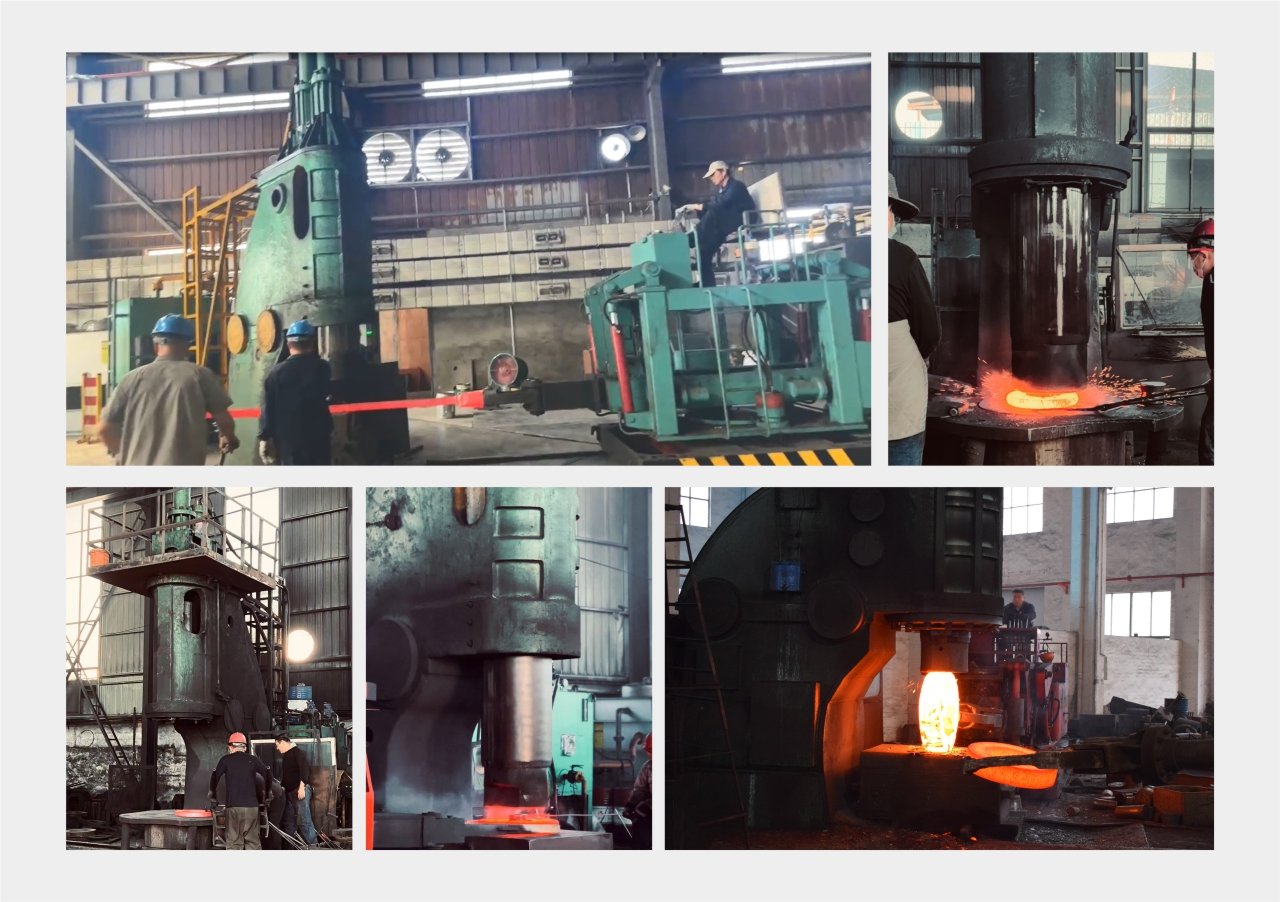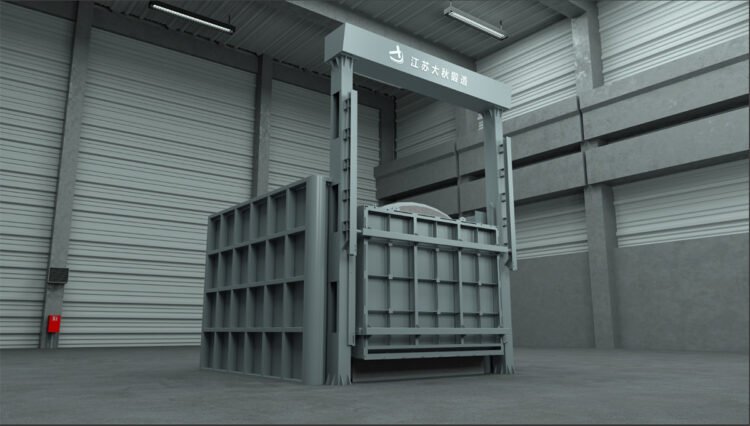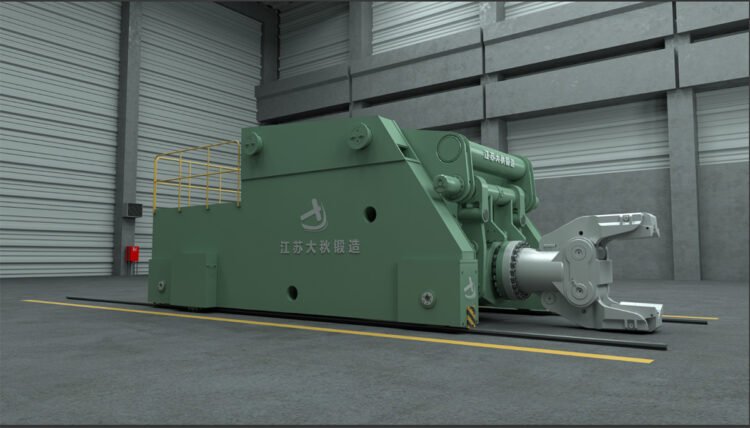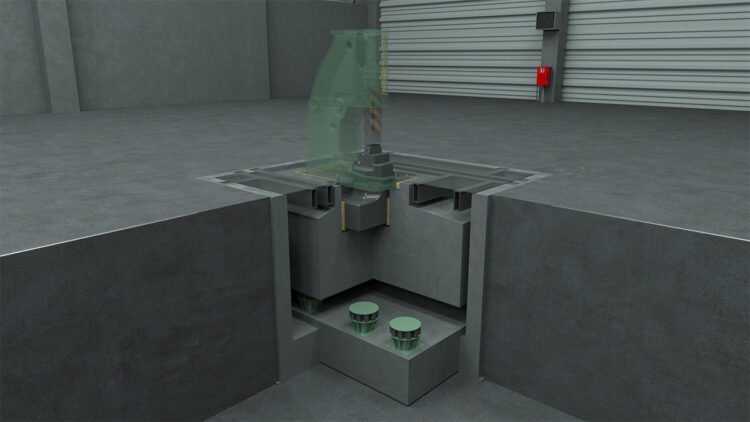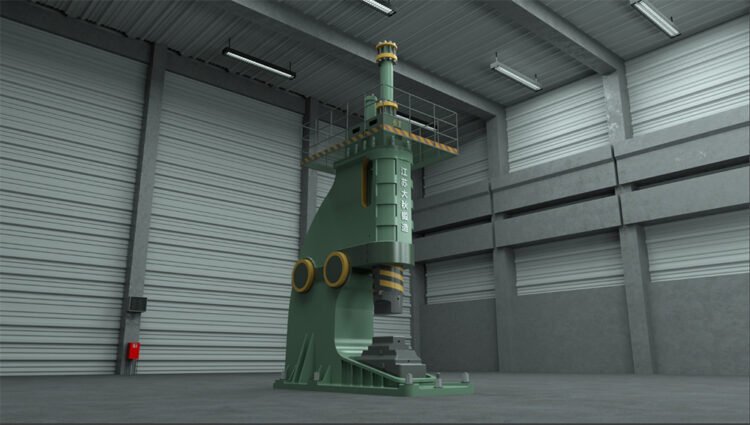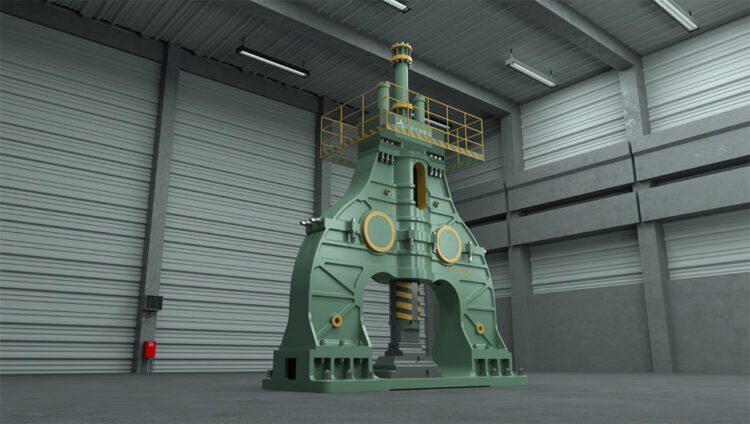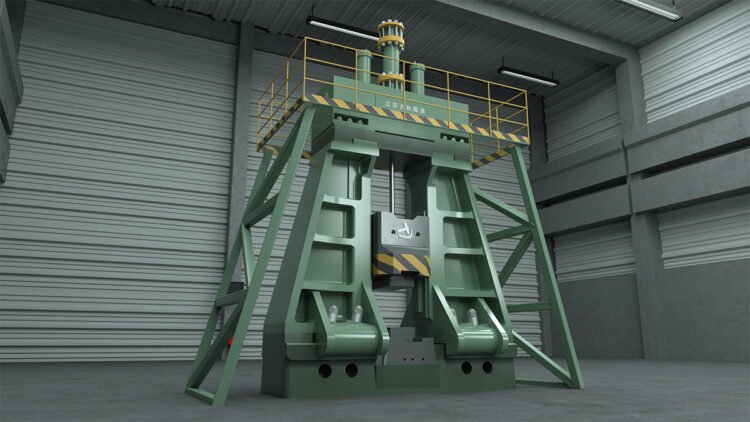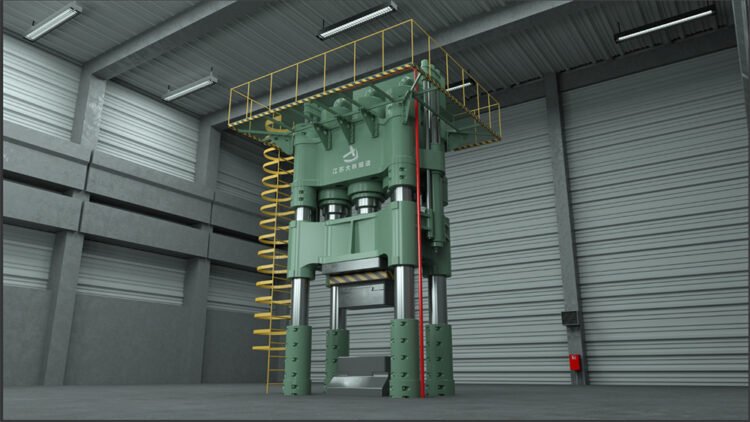
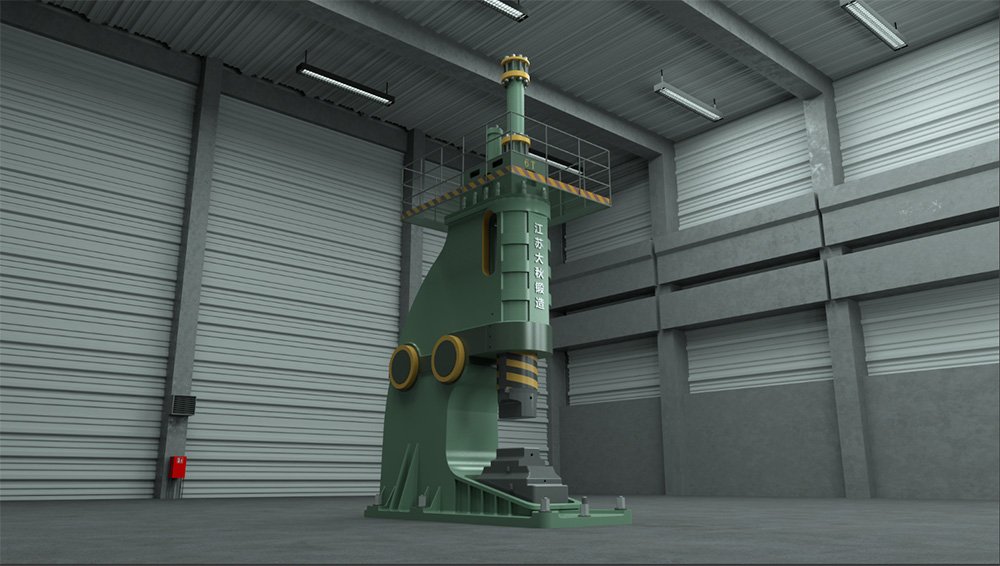
The single-arm hammer design offers three-sided operation space, greatly improving flexibility and work efficiency. The circular electro-hydraulic hammers we produce have the following advantages:
Circular structure and guiding system: Using a circular body and guiding system ensures precise hammer head guidance, enhancing striking accuracy. It eliminates the traditional screw fastening design, avoiding screw replacement or maintenance, reducing maintenance workload, and enhancing equipment reliability.
Follow-up servo and flexible reversal control: Equipped with a follow-up servo system and flexible reversal control technology, it effectively prevents cold hammering and hammer slippage, improving operation safety and work smoothness.
Optimized return process: No back pressure in the upper chamber during return, fast return speed, high striking frequency, avoiding hammer sticking, significantly improving work efficiency and stability.
Integrated structural design: The drive compound cylinder, accumulator, main oil circuit, and main valve are assembled through a forged steel integrated block, enhancing structural strength, improving transmission efficiency, and simplifying maintenance.
Efficient accumulator: The main oil circuit is equipped with a piston-type accumulator, reducing hydraulic impact, making it easy for the Hall control system to monitor and maintain, and enhancing system stability.
Buffer device: The buffer device matching the accumulator can automatically decelerate before hitting the top, reducing mechanical impact and effectively protecting the equipment.
Double leak-proof guide sleeve: The guide sleeve adopts a high and low-pressure double leak-proof design, significantly improving equipment stability and sealing performance.
Overpressure and loss protection: The system has overpressure and loss protection functions to prevent pipeline rupture or hammer rod breakage causing high-pressure oil spray, ensuring equipment safety.
Intelligent pump group adjustment: Multiple pump groups automatically adjust loading and unloading based on working oil demand, reducing hydraulic impact and prolonging the service life of the pumps and unloading valves.